ISDB and UNTL Lead Two-Day International Event to Strengthen Policy, Ethics, and Economic Understanding
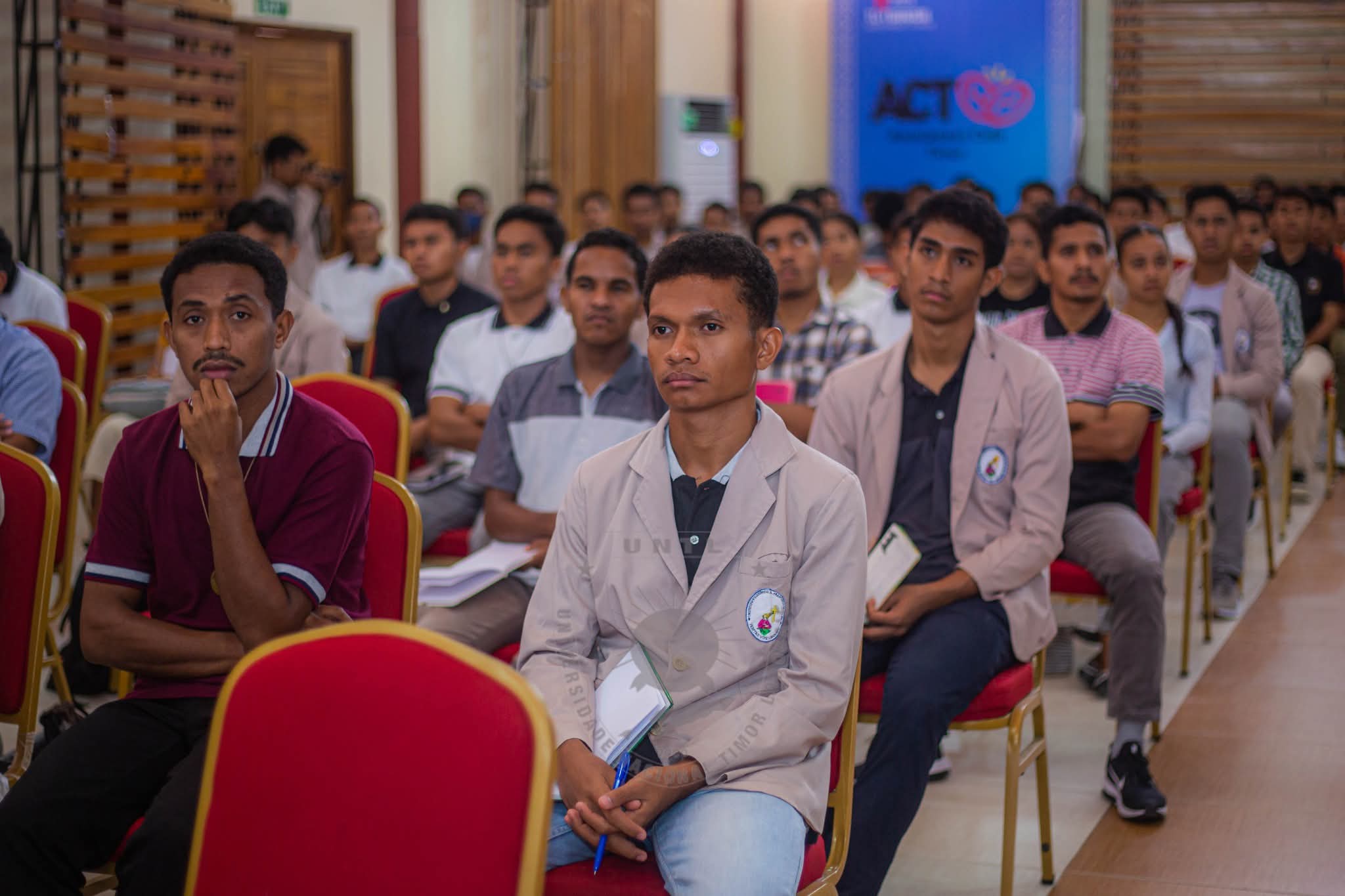
Dili, Timor-Leste – October 2- 3, 2025. The Instituto Superior Dom Bosco (ISDB) and National University of Timor-Lorosa’e (UNTL) jointly hosted a high-profile international seminar this week under the theme: "A Timorese Experience of Labor Migration: Ethics, Identity, and Dignity." Held from October 2–3 at the Dili Convention Center (CCD), the seminar drew more than 500 participants, including government officials, academics, researchers, students, and international experts. The event sought to provide a comprehensive and ethical lens on labor migration, a pressing issue as thousands of Timorese increasingly seek work opportunities abroad.
Labor Migration as a National Strategy
In his opening remarks, UNTL Rector Professor Dr. João Soares Martins emphasized the importance of using overseas labor experiences to benefit national development, particularly in key sectors such as agriculture. “We cannot allow our nation to be dominated by others. Our people must return from working abroad with skills and knowledge to help build our economy, especially through agriculture, one of the most productive sectors,” he said. Echoing this sentiment, ISDB Rector Father Manuel Pinto Fernandes, MEd called labor migration a strategic opportunity for many families to survive and thrive, while also contributing to the nation. “Migration is not just an economic solution. It also strengthens family resilience and offers a chance for cultural and experiential exchange,” said Fr. Manuel. “But we must also acknowledge the challenges our youth face abroad, including language and cultural barriers.”
Dignitaries and Broad Participation
The seminar's opening ceremony was attended by several key figures in government and education, including:
- Deputy Prime Minister and Minister of Tourism & Environment, H.E. Francisco Kalbuadi Lay
- Minister of Higher Education, Science, and Culture, Dr. José Honório da Costa Jerónimo
- Students and faculty from UNTL, ISDB, and other public and private institutions
More than 500 participants joined sessions over the two days.
Keynote Sessions and International Expertise
Despite travel disruptions due to a volcanic eruption in Indonesia, keynote speaker Dr. Antonius Bastian Limahekin delivered his session virtually via Zoom. His talk, titled "Why Do People Migrate? Ethical and Existential Perspectives," explored the deeper motivations behind migration beyond economics, touching on identity, purpose, and global inequality. The session was moderated by Dr. Placido Teofilo Freitas. Another powerful presentation came from Dr. Sarah Niner of Monash University, who spoke on the realities of Timorese workers in Australia. Her talk, "Promise and Precarity," highlighted both opportunities and vulnerabilities within foreign labor programs. This session was moderated by Dr. Laurentina Barreto and followed by live testimonies from returned migrants in a panel titled "Voices from the Field," curated by Father João Boavida, MTh.
Exploring Economic and Philosophical Dimensions
On Day Two, Dr. Rui Gomes opened discussions with a data-driven session titled "Migration and Economic Development," linking labor migration trends with foreign remittance flows and long-term development strategies. The session was moderated by Mr. Apolinario Magno, MBA. In a later session, Father Florentino Gil, MPhil, delivered a philosophical critique in his paper "Labor and Exploitation," in which he argued that labor migration to Australia, while often framed as an opportunity, risks functioning as a form of soft foreign aid, one that can foster dependency and perpetuate exploitation. Dr. Samuel Venancio led the discussion. Wrapping up the academic sessions, Dr. Abel dos Santos presented a comprehensive proposal titled "Roadmap for Timor-Leste’s Labor Migration Policy," offering actionable steps toward strengthening governance, migrant protection, and bilateral labor agreements. This final session was moderated by Father Florentino Gil.
Outcomes and Future Recommendations
The seminar concluded with a synthesis led by Dr. Placido Teofilo Freitas, PhD, summarizing key findings and proposals that emerged from the two-day seminar. Organizers expressed hope that these outcomes will contribute to more just, informed, and people-centered migration policies for Timor-Leste. “The voices heard in this seminar, from academia, government, and the field, will help shape policies that not only protect Timorese migrants but also empower them to contribute meaningfully to national development,” said Dr. Freitas.
Looking Ahead
As labor migration continues to shape the socio-economic fabric of Timor-Leste, this seminar marked a critical turning point in linking ethics, identity, and policy. The collaboration between ISDB and UNTL reflects a broader national commitment to ensuring that migration becomes a tool of empowerment, not exploitation. The event concluded with congratulations from participants and calls for continued academic and governmental dialogue on this complex and evolving issue. "Congratulations to UNTL and ISDB for organizing such an important and timely event for our nation," one attendee remarked.